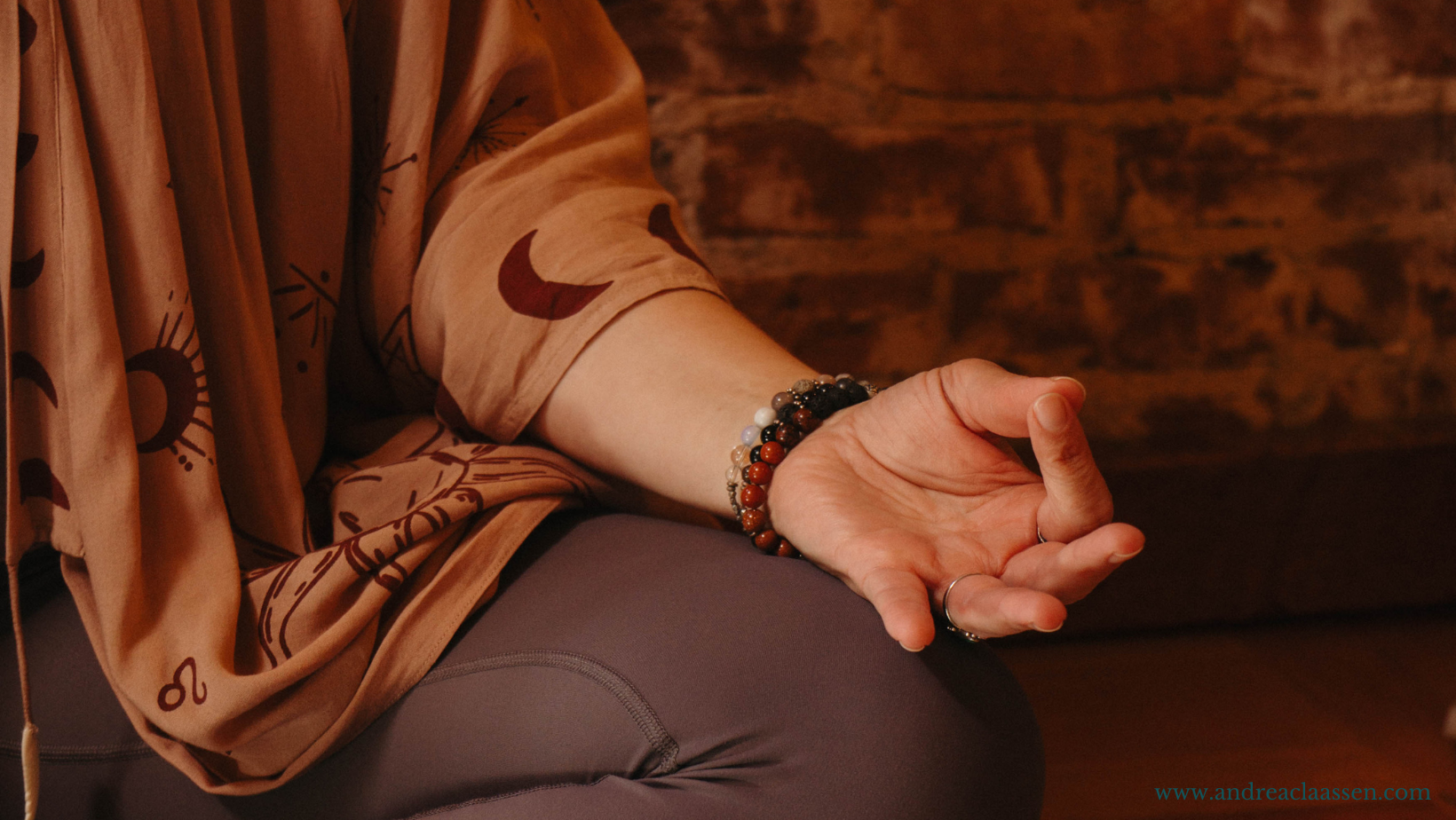


Slowing Down to Listen Inwards
In a world full of meditation apps, challenges, and techniques, it's easy to become a collector of practices rather than a devoted student of one. This episode explores what it means to go deep not wide and why your nervous system will thank you for it.
Busy World, Busy Mind
You've probably done box breathing, body scans, loving-kindness, Vipassana, mantra, cold plunge, pranayama maybe in the same week. And yet something feels… unsettled. That's what we're talking about today.
You open Insight Timer to start your day you want to do a meditation, you are bombarded by 1000's of choices, you scroll for 10 minutes to end feeling overwhelmed, and out of time to do the 20 minute practice you had planned.
Spiritual consumerism is real. We think we need to know more, do more, every shiny new app or program we need to invest in. Your friend had luck with this meditation teacher, so you give them a go, your online algorithm sent you 10 more teachers to try out.
You get stuck in constant consumption but nothing to show for it. You don't feel anymore grounded, no more at ease and you're feeling more overwhelmed then when you decided to start a meditation practice.
More variety doesn't mean more depth
What happens when we treat meditation like a buffet instead of a practice?
The Problem: Why We Go Wide?
The wellness industry has always thrived on the next novelty item. Life is cyclical and so are some of these trends. Oil pulling has been an Ayurvedic practice for over 5000 years, it got hot about 15 years ago, died away and now is coming back again.
New generations discover "new"/old practices and put their spin on it. Just to confuse those not in the wellness industry.
The apps want you to stay on them longer so they can earn more money, the teachers are just trying to earn a living so place programs on them to get discovered. Hey, I am one of them on Insight Timer.
Every time you start something new you get a small dopamine hit. You feel like you've accomplished something but have you?
There can be discomfort in going deeper, you don't know what you are going to find. You get uncomfortable you might have a little unease about yourself after the practice.
"Novelty feels like progress. But the nervous system doesn't learn depth from variety it learns depth from repetition and return."
I can tell you the countless amount of times I've hopped from teacher to teacher just to get more confused and lost. I have found more depth by settling into my teachers. Right now I prefer to learn from Tracee Stanley, Indu Aurora and that is where I'm living right now. I'm finding the answers within then always outsourcing my own inner wisdom. Ironic that I've been preaching that but finally took a beat to implement in my own practice what I teach and stop collecting more and more practices and teachers.
The Science: What Your Nervous System Actually Needs
- Neural pathways and repetition: Consistency builds the neural pathways. When you can devote time to a practice you can let the practice reveal itself to you. This can be from a meditation, yoga nidra, or strength training practices.
- Nervous system likes predictability to feel safe.
- The "dose-response" curve of a single technique: the first 30 days, the first 90 days, year one — what opens up over time. This can be walking a path in the woods. Day after day, the same route and observing. What takes shape and how things shift from day to day or year to year.
- Research note: most meditation studies show results at 8 weeks of consistent single-practice use (MBSR model)
Depth isn't about willpower. It's about giving your nervous system a home base to return to.
Going Deep: What It Actually Looks Like
- Choosing one primary practice and a reason why it resonates (not just what's trendy)For myself I see my same meditation teacher month after month to spend time with her and the practices. She has a plan and takes us on this journey adding a bit more depth to it from month to month.
- What depth milestones look like: noticing subtler states, sitting with discomfort longer, less reactivity off the cushion
- How to handle boredom, witness it observe it, why do you feel the need to be entertained. Is it because of our excess stimulation we see in this world, social media, tv, everything needs to be bigger and faster.
- Complementary vs. competing practices: one anchor practice + gentle exploration on the side is fine for most people. We get in trouble when we start to dabble in 10 different things but have no anchor point to a real shifting practice.
Boredom in meditation is usually a sign you've hit the edge of your current capacity- not a sign that the technique has stopped working. Most people quit right before it gets interesting.
The Practical Shift: How to Choose Your One Thing
- 3 questions to find your anchor practice: What slows me down? What do I most avoid? What have I returned to even after quitting?
- A 90-day commitment framework: same technique, same time, same length: daily
- Journaling prompt: "How do I feel today?"
- When to legitimately add or shift a practice (teacher guidance, life stage change, not novelty-seeking)
Close-The Well Metaphor
- Digging many shallow holes vs. one deep well, only one reaches water
- Put your blinders on so you don't feel like you're missing out.
- Invitation: this week, pick one practice and just… stay
"The practice doesn't deepen because you know more techniques. It deepens because you keep showing up to the same one."
Sacred Meditation Circle
Explore Sacred Meditation Circle→
The Sacred Meditation Circle is a monthly meditation group for women ready to stop dabbling and start deepening with a teacher, a lineage, and a community to come back to every single month.
About Andrea Claassen: Andrea is a personal trainer, yoga teacher, Ayurvedic Wellness Counselor and postpartum doula with 19 years of experience helping women build strength that actually lasts. She works with women virtually and in person in Minneapolis, Minnesota.
Listen to the Peaceful Power Podcast Below!


